
Protecting Nature’s Gentle Pollinators
At Holistic Pest Solutions, we spend our days helping homeowners and businesses manage unwanted pests. But not every insect is a pest. In fact, some insects are absolutely essential to the health of our environment—and few are more important than the humble bumble bee. It’s important to know why bumble bees matter and this blog will tell you.
While wasps, yellow jackets, mosquitoes, and other nuisance insects can create problems around your home, bumble bees play a vital role in supporting the ecosystems, gardens, farms, and landscapes we all depend on. That’s why we believe in protecting pollinators whenever possible and using environmentally responsible pest control practices that minimize harm to beneficial insects.
Why Are Bumble Bees So Important?
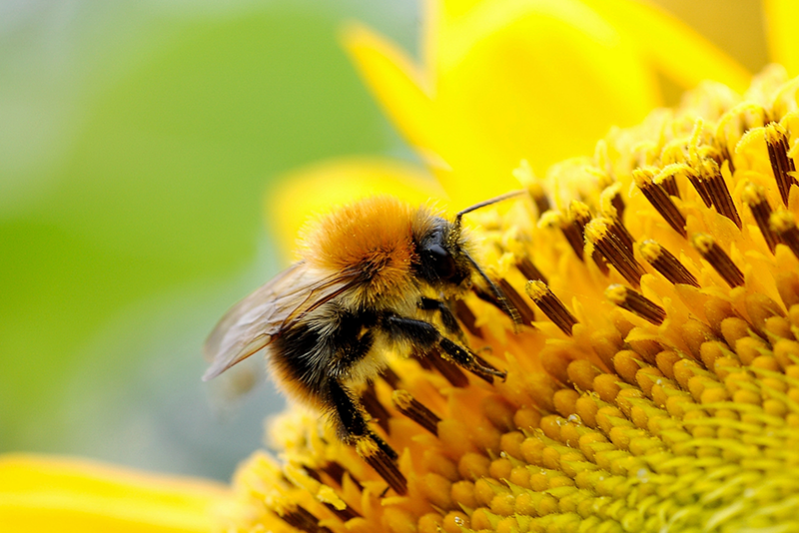
Bumble bees are among nature’s most effective pollinators. As they move from flower to flower collecting nectar and pollen, they transfer pollen between plants, helping them reproduce.
Without pollinators like bumble bees:
- Many fruits and vegetables would struggle to grow.
- Wildflowers would become less abundant.
- Food sources for birds and wildlife would decline.
- Ecosystems would become less healthy and diverse.
In fact, many of the foods we enjoy every day—including tomatoes, blueberries, peppers, squash, and strawberries—depend heavily on pollinators.
What Makes Bumble Bees Special?
Unlike honey bees, bumble bees can pollinate plants in cooler temperatures and less-than-ideal weather conditions. They are also capable of a unique technique called “buzz pollination,” where they vibrate flowers to release pollen that other pollinators can’t access. This makes them incredibly valuable to both agriculture and natural ecosystems.
Are Bumble Bees Dangerous?
Despite their large size and loud buzzing sound, bumble bees are generally very gentle insects.
Most bumble bees:
- Prefer to avoid people.
- Spend their time gathering nectar and pollen.
- Only sting when directly threatened or handled.
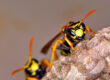
Compared to yellow jackets and paper wasps, bumble bees are far less aggressive and much more interested in flowers than people.
Why Bumble Bee Populations Are Declining
Unfortunately, bumble bee populations have faced significant challenges in recent years.
Some of the biggest threats include:
Habitat Loss – As fields, meadows, and natural areas disappear, bumble bees lose the flowers and nesting locations they need to survive.
Pesticide Exposure – Certain pesticides can harm bees directly or reduce their ability to forage and reproduce.
Climate Change – Changes in temperature and weather patterns can disrupt flowering cycles and food availability.
Lack of Native Plants – Many modern landscapes feature ornamental plants that provide little or no benefit to pollinators.
How You Can Help Protect Bumble Bees
The good news is that homeowners can make a tremendous difference.
Plant Pollinator-Friendly Flowers – Choose flowering plants that bloom throughout the growing season.
Great options include:
- Coneflowers
- Black-eyed Susans
- Bee Balm
- Milkweed
- Lavender
- Sunflowers
- Native wildflowers
Reduce Chemical Use – Use pesticides only when necessary and always follow label instructions carefully.
Leave Some Natural Areas – Bumble bees often nest in undisturbed ground, brush piles, and natural landscape areas.
Provide Water – A shallow dish with stones can provide a safe water source for pollinators.
Support Native Plants – Native plants provide the food and habitat that local pollinators evolved alongside.
The Holistic Pest Solutions Approach
At Holistic Pest Solutions, we believe effective pest control and environmental stewardship can go hand in hand. Our goal is not to eliminate every insect. Instead, we focus on controlling harmful and nuisance pests while protecting beneficial species whenever possible. Through targeted treatments, responsible product selection, and Integrated Pest Management (IPM) practices, we work to minimize environmental impact while delivering effective results for our clients.
Bumble bees are not the enemy. They are hardworking pollinators that help keep our gardens blooming, our food growing, and our ecosystems thriving.
Protect the Pollinators. Control the Pests.
The next time you see a fuzzy bumble bee visiting flowers in your yard, take a moment to appreciate one of nature’s hardest workers. By making pollinator-friendly choices and working with environmentally conscious pest professionals, we can all help ensure these remarkable insects continue to thrive for generations to come.
Need help dealing with wasps, yellow jackets, hornets, mosquitoes, or other nuisance pests while protecting beneficial pollinators? Contact Holistic Pest Solutions today. We’re mindful of our clients and our Earth. 🐝🌼